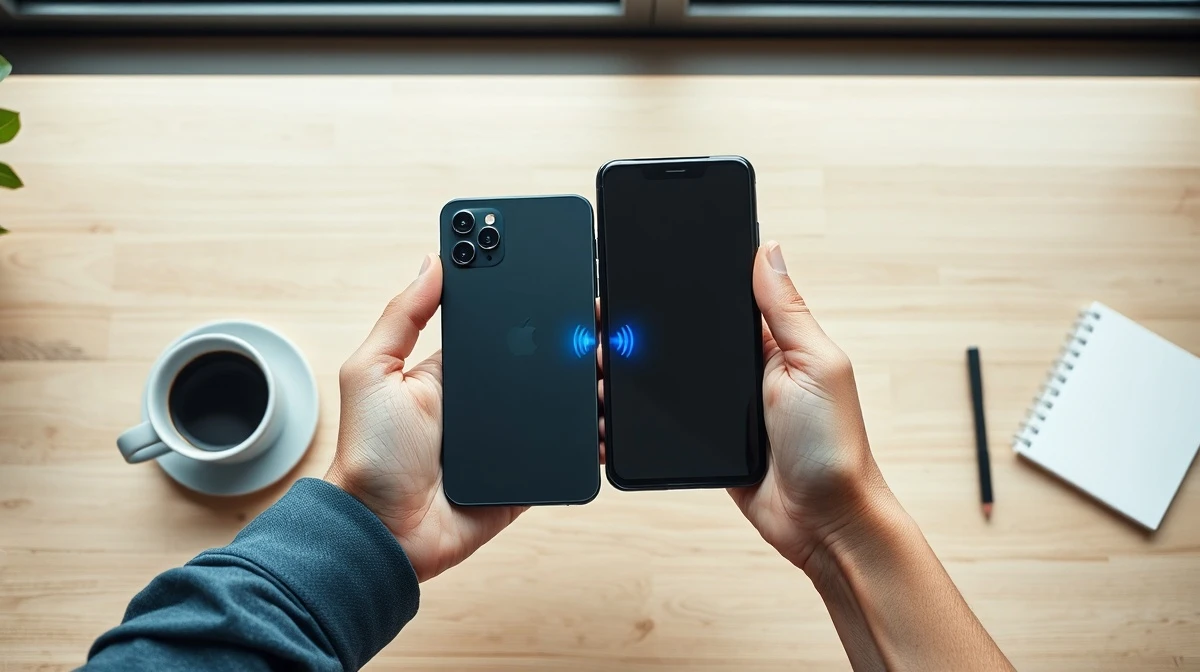
Google announced on Wednesday a new migration experience built directly into Android 17 that lets iPhone users wirelessly transfer photos, contacts, messages, calendars, passwords, Wi-Fi credentials, and even eSIM data to an Android device without downloading a separate app. The feature has already started rolling out to select Pixel devices and is also available on the new Samsung Galaxy Z Flip8 and Z Fold8, which were unveiled the same day.
What the new migration tool supports
Previously, switching from an iPhone to Android required users to download the Google Drive app on their iPhone or use a wired connection to transfer data during setup. The new native experience eliminates those extra steps by integrating the transfer process directly into Android’s out-of-box setup wizard. Supported data types now include:
Also read: US military disables ad tracking on troops' devices to counter location-based threats
- Photos and videos
- Contacts and call history
- Messages (including iMessage history where possible)
- Calendar events
- Google Account credentials
- Saved passwords
- Wi-Fi network credentials
- eSIM profiles
The inclusion of eSIM transfer is particularly notable, as mobile carriers have historically required users to manually deactivate and reactivate digital SIM profiles when switching platforms. By automating that step, Google removes a common friction point that often discouraged iPhone users from switching.
Why this matters for the smartphone market
Google’s decision to build a first-party migration tool into Android 17 reflects a broader push to reduce barriers between iOS and Android. According to Counterpoint Research, Apple’s iPhone accounted for roughly 52% of U.S. smartphone sales in Q2 2026, while Android held the majority globally. The new tool directly targets the switching cost that has historically kept users locked into Apple’s ecosystem, particularly iMessage lock-in and the complexity of transferring eSIM profiles.
Also read: Judge blocks X rival from using Twitter name, but allows ‘Tweet’ for now
By supporting password and Wi-Fi credential transfer, Google also addresses one of the most tedious aspects of switching phones: re-entering login details for dozens of apps and reconnecting to home and office Wi-Fi networks. The effortless experience mirrors what Apple offers with its own migration tool for moving data between iPhones, and what Samsung has offered through its Smart Switch app, but now it is native to the Android operating system itself.
Availability timeline and device support
The migration tool is rolling out now to Pixel devices running Android 17, starting with the Pixel 9 and Pixel 10 series. It also ships pre-installed on the Samsung Galaxy Z Flip8 and Z Fold8, which launched on the same day. Google says the feature will come to more Android devices from other manufacturers “soon,” though it did not provide a specific timeline. The company typically rolls out major Android features through its Android 17 release and Google Play Services updates, meaning most modern Android phones should receive the capability within the next few months.
The timing of the announcement — coinciding with Samsung’s latest foldable launch — suggests Google is positioning the migration tool as a competitive differentiator, particularly for iPhone users considering a switch to Android’s premium foldable segment. With the Z Fold8 starting at $1,899 and the Z Flip8 at $1,099, Samsung is targeting Apple’s premium user base, and removing migration friction could be a deciding factor for prospective buyers.


Warning: Attempt to read property "term_id" on false in /www/wwwroot/stockpil.com/wp-content/themes/flex-mag/functions.php on line 998