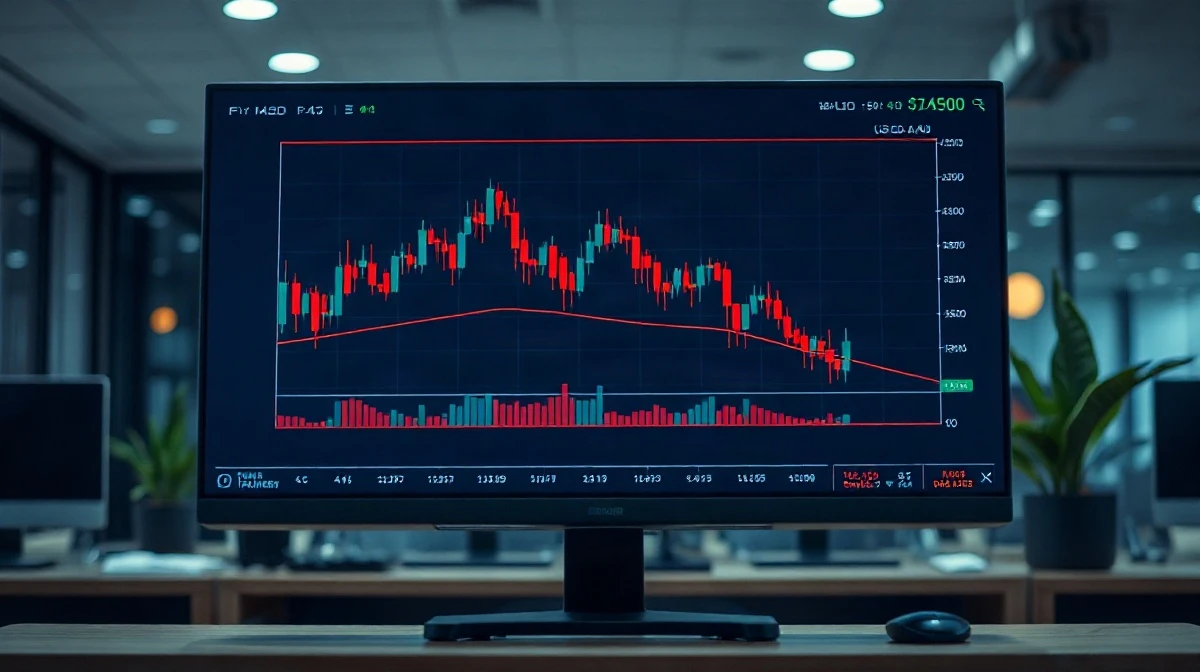
The Canadian Dollar extended its advance against the US Dollar for a second straight session on Thursday, with USD/CAD trading near 1.3830 during Asian market hours. The pair’s decline stems from a sharp rally in the Japanese Yen (JPY), which has put broad downward pressure on the US Dollar, while firmer crude oil prices continue to provide underlying support for the commodity-linked Loonie.
The move marks a notable shift from earlier in the week, when the pair had tested levels above 1.3900. The recent price action suggests that currency markets are recalibrating their positions following a volatile period driven by shifting expectations for central bank policy in both the United States and Japan.
Also read: Euro Hits Two-Month High vs Pound as ECB Rate Hike Expectations Firm
Yen Strength Reshapes Dollar Dynamics
The Japanese Yen has been the primary catalyst behind the greenback’s weakness. After months of depreciation pressure, the yen has staged a sharp recovery, catching many leveraged investors off guard. This has triggered an unwinding of popular carry trades, where investors borrow yen at low interest rates to invest in higher-yielding assets denominated in dollars and other currencies.
As these positions are closed, the yen is bought back, creating a feedback loop that amplifies its strength and simultaneously weakens the US Dollar. This dynamic has been a recurring theme in global currency markets throughout 2026, with periodic episodes of yen strength causing ripple effects across major pairs, including USD/CAD.
Also read: USD/SGD Jumps to 1.2754 as UOB Revises Range Forecast, Citing SGD NEER Above Midpoint
The dollar’s decline against the yen has been particularly pronounced, and this weakness has spilled over into other dollar pairs. Market participants note that the current environment rewards currencies backed by strong commodity exports or improving domestic fundamentals, which is helping the Canadian Dollar hold its ground.
Oil Prices Bolster the Loonie
Adding to the Canadian Dollar’s resilience is the recent uptick in crude oil prices. West Texas Intermediate (WTI) crude has climbed as supply concerns resurface, providing a direct boost to Canada’s export revenues. As one of the world’s largest oil producers, Canada’s economy and currency are closely tied to energy price fluctuations.
Rising oil prices typically improve Canada’s terms of trade, increasing demand for Canadian Dollars from foreign buyers of its energy exports. This fundamental support has helped the Loonie outperform several of its G10 peers this week, even as broader risk sentiment remains cautious.
The combination of a weaker US Dollar and stronger oil prices has created a favorable environment for USD/CAD bears, with the pair now testing a key technical support zone near the 1.3800-1.3830 area.
What to Watch for USD/CAD Traders
Looking ahead, market focus is likely to shift toward upcoming economic data releases from both sides of the border. On the US side, traders will be parsing labor market figures and inflation data for clues about the Federal Reserve’s next policy move. The central bank has maintained a cautious stance, with officials emphasizing that their decisions remain data-dependent.
In Canada, attention will center on domestic employment numbers and the Bank of Canada’s assessment of the economy’s health. The central bank has navigated a delicate balance between curbing inflation and supporting growth, and any surprises in upcoming data could trigger fresh volatility in the Canadian Dollar.
For now, the technical picture suggests that USD/CAD could face further downside if the 1.3800 level gives way. A break below this threshold would likely expose the pair to a test of the 1.3750 region, a level that has acted as both support and resistance in recent months. Conversely, a rebound in the US Dollar or a pullback in oil prices could see the pair attempt to reclaim the 1.3900 handle.
This article is for informational purposes only and does not constitute financial advice. Foreign exchange trading involves significant risk and market conditions are volatile. Readers should conduct their own research before making any trading decisions.