
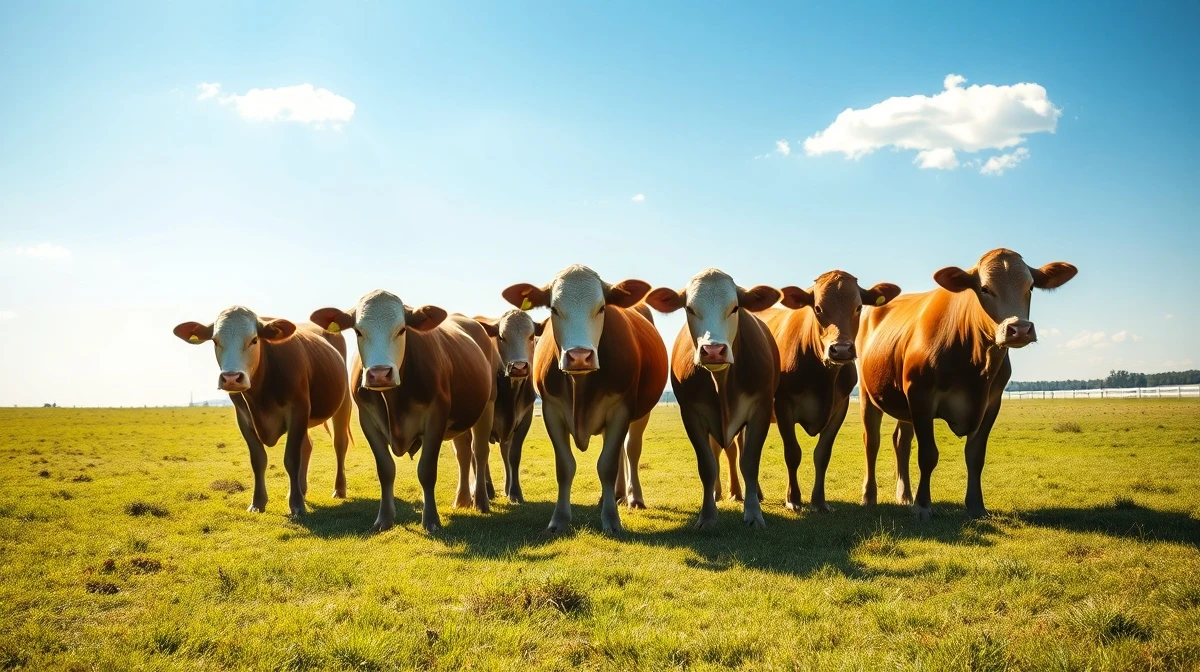
Live cattle futures managed to close higher on Wednesday, despite fading from earlier session highs, as cash trade remained quiet and wholesale beef prices softened. Contracts settled with gains ranging from 75 cents to $1.32, reflecting cautious optimism among traders.
Cash Trade Remains Subdued
Cash trade activity has been limited so far this week, with only a few bids reported. In the north, some bids were heard at $245, while light sales were reported in Kansas at $240–242. The Fed Cattle Exchange online auction on Wednesday listed 940 head, but no bids were submitted, underscoring the cautious stance of packers.
Also read: SpaceX, OpenAI, and Anthropic: The AI IPO Wave That Could Reshape Public Markets
This slow cash movement comes as feedlots hold out for higher prices, while packers appear reluctant to commit ahead of the holiday-shortened week. The standoff is typical for late August, but the lack of volume adds uncertainty to the near-term price direction.
Feeder Cattle Also Gain, but Off Highs
Feeder cattle futures also ended the session higher, though well off their intraday peaks. Contracts settled with gains of 35 cents to $2.22. The CME Feeder Cattle Index rose another $1.51 to $360.68 as of August 26, providing underlying support.
Also read: SpaceX IPO Allocation Leaves Binance, Kraken Users Empty-Handed Despite Massive Demand
The feeder cattle market has been underpinned by strong demand for placements and tighter supplies of lighter-weight animals, but profit-taking emerged late in the session as traders assessed the broader demand outlook.
Wholesale Beef Prices Weaken
The USDA afternoon report showed wholesale boxed beef prices declining. Choice boxes fell $1.33 to $411.84, while Select boxes dropped $3.05 to $387.71. The Choice-Select spread widened to $24.13, indicating ongoing preference for higher-grade product but overall softer demand.
Weaker wholesale prices typically pressure packer margins and can lead to lower cash bids, adding a note of caution to the otherwise positive futures close.
Slaughter Pace Increases
USDA estimated Wednesday’s cattle slaughter at 119,000 head, bringing the weekly total to 344,000 head. That figure is up 10,000 head from the previous week but remains 14,906 head lower than the same week in 2024. The year-over-year decline reflects tighter cattle supplies, a factor that continues to underpin prices.
Market Outlook
With cash trade still largely unsettled and wholesale prices softening, the cattle market faces a test in the coming days. Futures managed to hold gains on Wednesday, but the late-day pullback suggests traders are wary of overextending. The direction of cash trade later this week will likely set the tone for near-term price action.
FAQs
Q1: Why did cattle futures close higher despite late weakness?
Traders maintained a cautiously bullish stance due to tight supplies and steady demand, even as cash trade remained quiet and wholesale prices slipped.
Q2: What is the significance of the Fed Cattle Exchange auction?
The auction provides a transparent, electronic platform for cash cattle trade. The lack of bids on Wednesday signals packer reluctance at current asking prices.
Q3: How does wholesale beef price movement affect cattle futures?
Wholesale prices reflect packer demand for beef. When wholesale prices fall, packer margins tighten, potentially leading to lower cash bids for live cattle, which can pressure futures.

