May 5, 2026 – Iran’s Foreign Minister Abbas Araghchi stated that recent events in the Strait of Hormuz underscore the absence of a military solution to the ongoing political crisis. His remarks came during a press conference in Tehran, where he addressed escalating tensions in the strategic waterway.
“What happened in Hormuz makes it clear that there is no military path to resolving political differences,” Araghchi said. He did not specify which events he was referencing, but the statement follows weeks of heightened naval activity in the region.
Also read: Swiss Franc Dips Against Dollar, Rises Versus Euro in Mixed Forex Session
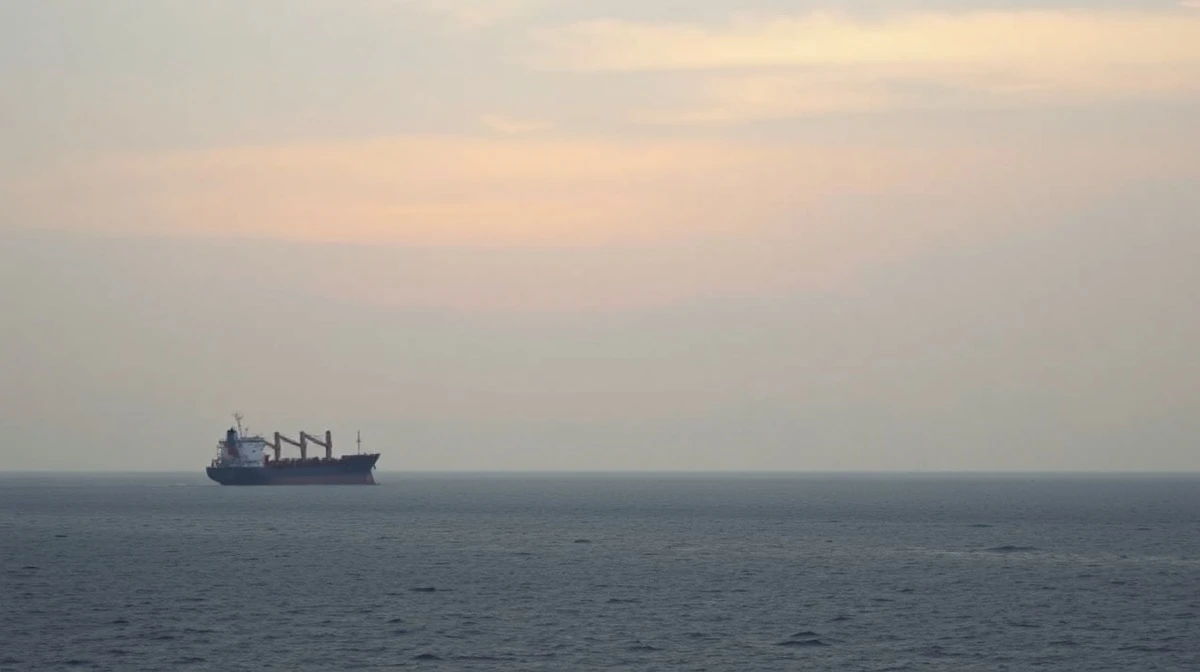
The Strait of Hormuz is a critical chokepoint for global oil shipments. About 20% of the world’s petroleum passes through it daily. Any disruption there can send shockwaves through energy markets.
Diplomatic push amid military posturing
Araghchi’s comments signal a renewed diplomatic emphasis from Tehran. He called for dialogue with regional neighbors and international partners. “We must return to the table,” he added. “Military maneuvers only deepen mistrust.”
Also read: Pound Sterling faces a heavy week as Westminster empties out
Industry watchers note that Iran has faced increased pressure from the U.S. and its allies in recent months. Sanctions have tightened, and naval patrols have intensified. But Araghchi insisted that Iran remains open to negotiations.
The implication is clear: Tehran wants to de-escalate without appearing weak. Analysts suggest that Iran is testing whether diplomatic channels can yield relief from economic sanctions.
Regional reactions and market impact
Reactions from Gulf states have been cautious. Saudi Arabia and the UAE have not issued formal statements. But behind-the-scenes contacts are reportedly ongoing.
Oil prices dipped slightly after Araghchi’s remarks. Brent crude fell by 0.8% to $84.20 per barrel. Traders interpreted the statement as reducing the likelihood of immediate conflict.
Data from the International Energy Agency shows that global oil inventories remain adequate. But any prolonged disruption in Hormuz could change that quickly.
What this means for investors
For investors, Araghchi’s words offer a glimmer of hope. A diplomatic resolution would remove a major risk premium from oil prices. But skepticism remains high.
“The pattern is familiar,” said a senior analyst at a London-based consultancy. “Iran talks peace while building up its military capabilities. We need to see concrete actions.”
Still, the door is open. The next few weeks will be critical. If Iran follows through with genuine negotiations, the geopolitical temperature could drop significantly.
For now, the world watches Hormuz — and waits.