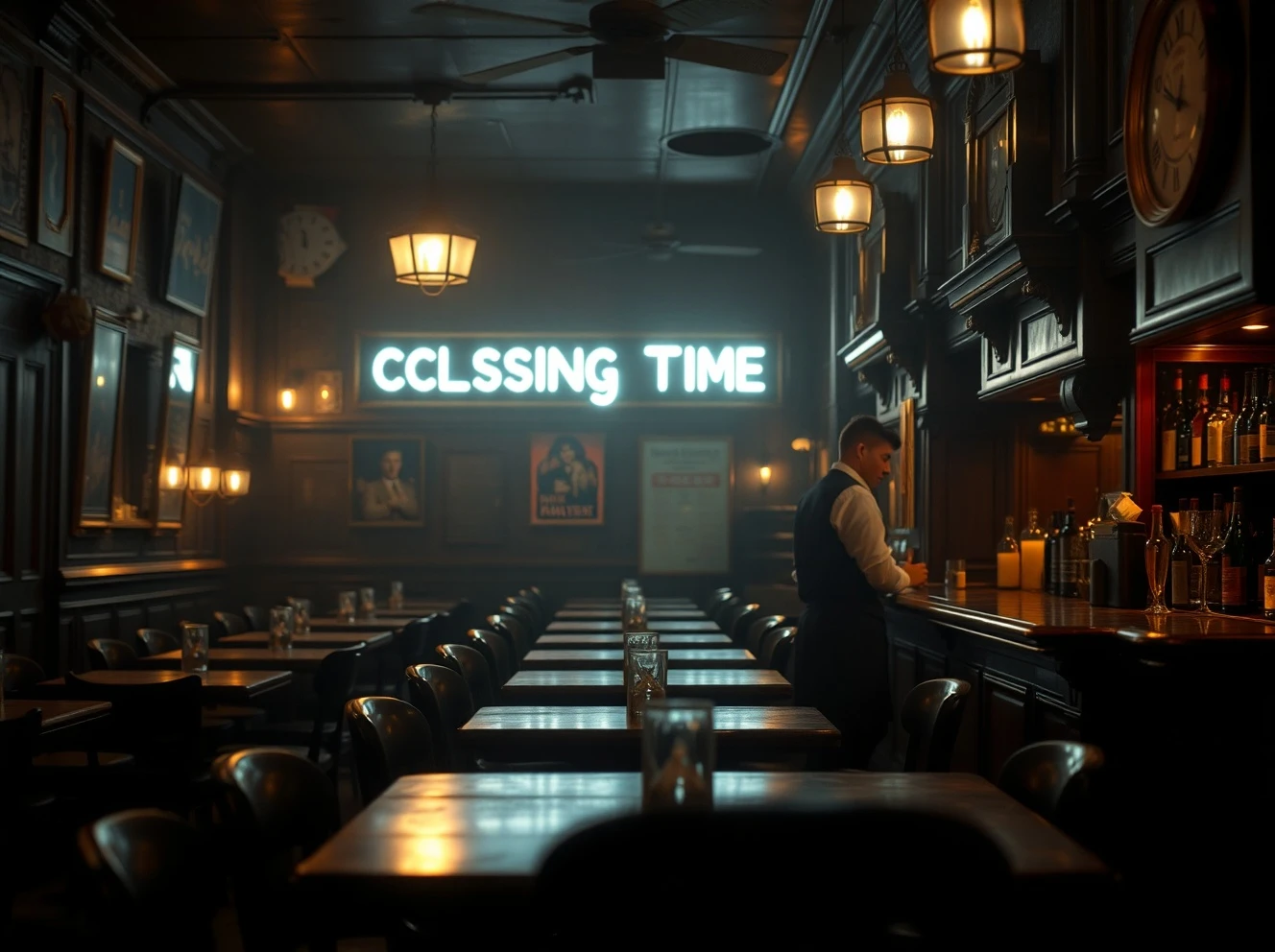
Prime Minister Keir Starmer’s proposal to extend pub opening hours has sparked immediate backlash from industry leaders who brand the late-night pub plan as fundamentally misguided. Consequently, pub owners across Britain argue the policy fails to address their real financial struggles while potentially increasing operational costs.
Industry Leaders Condemn Late-Night Pub Plan
Hospitality executives universally criticize the government’s late-night pub plan as impractical. Moreover, Clive Watson of City Pub Company calls the proposal “total nonsense.” He emphasizes that extended hours would significantly increase staffing expenses. Additionally, staff safety concerns during late-night travel present serious logistical challenges.
Also read: Defense tech is flooded with money, but who’s built to last?
Financial Realities Undermine Late-Night Viability
The late-night pub plan ignores current economic pressures facing the industry. Specifically, Labour’s Budget changes have added approximately £14,000 in annual costs per establishment. Furthermore, rising National Insurance contributions and minimum wage increases compound financial strain. Therefore, extended operating hours would require additional expenditure on:
- Extra staff coverage during typically quiet periods
- Increased energy consumption for extended operations
- Additional security measures for late-night service
- Enhanced insurance premiums for extended liability
Consumer Behavior Shifts Challenge Late-Night Demand
Post-pandemic drinking patterns fundamentally undermine the late-night pub plan’s assumptions. Industry data shows customers now prefer earlier socializing. Specifically, Phil Thorley of Thorley Taverns observes “6 pm drinking is the new 9 pm since Covid.” Similarly, Matt Todd reports empty venues during traditional late hours. Consequently, extended opening would serve diminishing customer bases.
Also read: Cruise Giants Face $440M Liability After Supreme Court Rules on Seized Cuban Property
Government Defends Flexible Late-Night Approach
Officials maintain the late-night pub plan offers necessary flexibility without mandating changes. A government spokesman states the initiative addresses “outdated licensing rules and red tape.” However, industry representatives question whether deregulation alone can solve deeper structural issues. Meanwhile, the British Institute of Innkeeping acknowledges potential benefits for specific late-night venues but emphasizes limited impact for most establishments.
FAQs About the Late-Night Pub Plan
What exactly does Starmer’s late-night pub plan propose?
The plan would allow pubs to extend their operating hours through a fast-track review of licensing laws, giving landlords greater flexibility without mandatory requirements.
Why are pub owners opposing extended hours?
Landlords argue extended hours increase costs without generating additional revenue, citing staffing expenses, energy costs, and changing consumer behavior as primary concerns.
How have post-pandemic drinking patterns affected pubs?
Since COVID-19, customers increasingly prefer earlier socializing, with 6 pm becoming the new peak drinking time instead of traditional late-night hours.
What financial pressures are pubs currently facing?
Pubs contend with approximately £14,000 in additional annual costs from recent tax changes, including higher National Insurance and minimum wage increases.
Will all pubs be required to stay open later?
No, the government emphasizes the plan provides flexibility rather than imposing requirements, allowing individual establishments to choose their operating hours.
Which types of venues might benefit from extended hours?
Late-night focused establishments in city centers and entertainment districts could potentially benefit, while traditional community pubs likely won’t see meaningful gains.