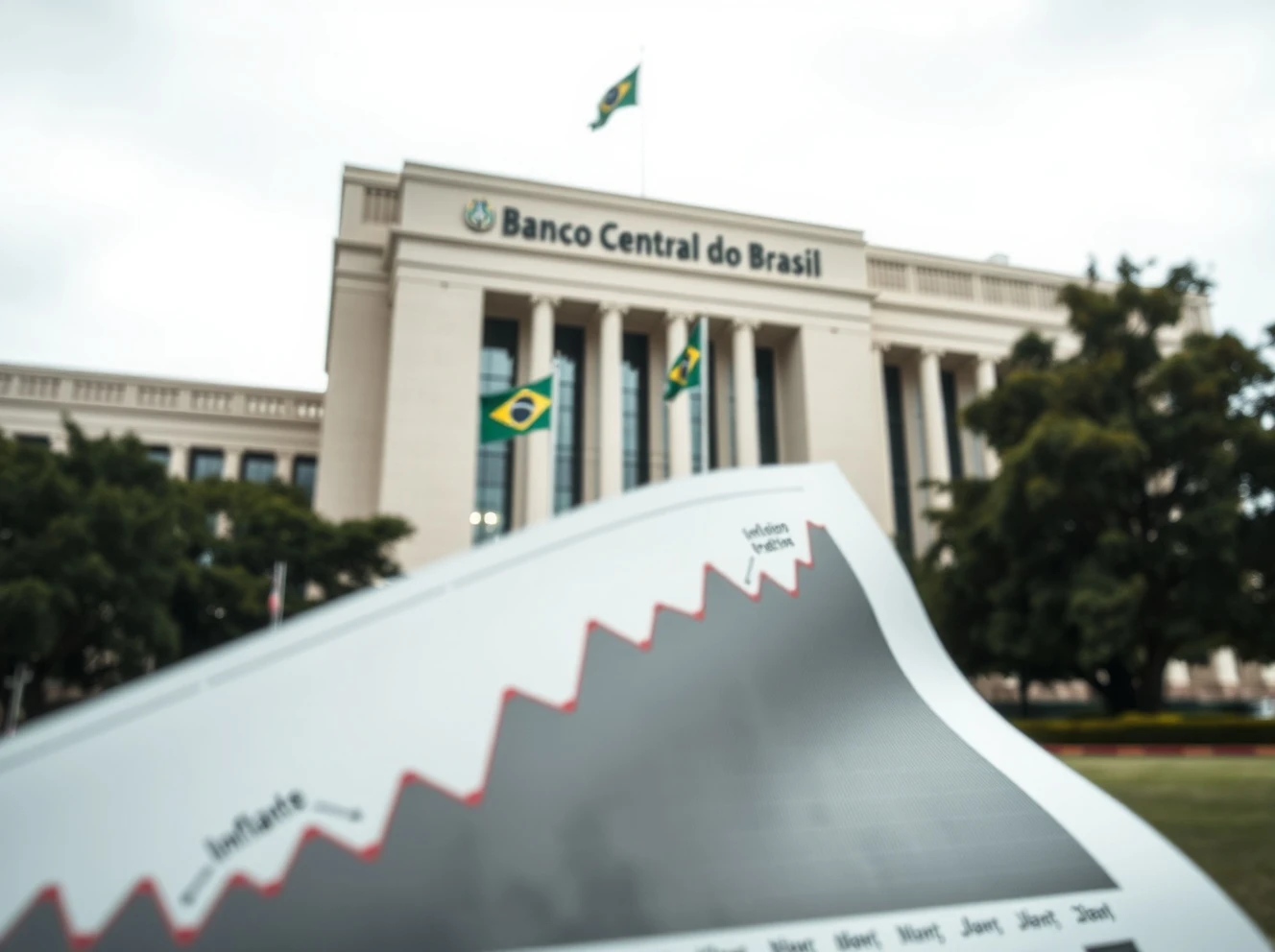
A sharper-than-expected rise in Brazil’s IPCA inflation index is complicating the central bank’s monetary easing trajectory, according to a new analysis from Wells Fargo. The report highlights growing pressure on policymakers as price pressures persist across key sectors of the economy.
IPCA Data Surprises to the Upside
Brazil’s official inflation gauge, the IPCA, posted a monthly increase that exceeded consensus forecasts, driven largely by higher food and transportation costs. The data, released by the Brazilian Institute of Geography and Statistics (IBGE), showed the annual inflation rate accelerating beyond the central bank’s target ceiling for the current cycle.
Also read: Swiss Franc Dips Against Dollar, Rises Versus Euro in Mixed Forex Session
Wells Fargo economists noted that the unexpected strength in inflation reduces the scope for further interest rate cuts, which had been a central pillar of the central bank’s recent policy stance. The Selic rate, currently at 10.50%, had been on a downward path since mid-2023, but the new data raises questions about the pace and extent of future reductions.
Implications for Monetary Policy
The central bank’s monetary policy committee, known as Copom, has emphasized a data-dependent approach. With inflation proving stickier than anticipated, the committee may be forced to pause or slow its easing cycle. Wells Fargo’s analysis suggests that the market is now pricing in a higher probability of a hold at the next meeting, with some economists even speculating about a potential rate hike if inflation continues to overshoot.
Also read: Pound Sterling faces a heavy week as Westminster empties out
The report also underscores the impact of global factors, including elevated commodity prices and a volatile exchange rate, which have added to domestic price pressures. Brazil’s real has weakened against the U.S. dollar in recent weeks, further complicating the inflation outlook by increasing the cost of imported goods.
Market and Investor Reactions
Financial markets have already begun adjusting expectations. The Brazilian real experienced modest depreciation following the IPCA release, while bond yields edged higher as traders repriced the likelihood of further easing. Equity markets, particularly interest-rate-sensitive sectors such as utilities and consumer goods, have faced selling pressure.
For international investors, the shifting policy field in Brazil introduces a layer of uncertainty. The country had been viewed as a relatively attractive emerging market for carry trades, given its high real interest rates. However, a premature end to the easing cycle could alter that calculus.
Conclusion
The IPCA shock represents a meaningful challenge to Brazil’s central bank as it navigates the final stages of its easing cycle. While the broader disinflation trend remains intact, the latest data serves as a reminder that the path to price stability is rarely linear. Wells Fargo’s analysis reinforces the view that policymakers will need to remain vigilant, balancing the need to support economic growth against the imperative of anchoring inflation expectations.
FAQs
Q1: What is the IPCA and why does it matter?
The IPCA is Brazil’s primary inflation index, used by the central bank to set monetary policy. A higher-than-expected reading can influence interest rate decisions, affecting borrowing costs, investment, and the broader economy.
Q2: How might this affect Brazil’s interest rates?
The unexpected inflation increase reduces the likelihood of further rate cuts in the near term. The central bank may pause its easing cycle or even consider raising rates if inflation continues to exceed its target.
Q3: What does this mean for investors in Brazilian assets?
The shift in monetary policy expectations could lead to higher bond yields and a weaker real in the short term. Investors should monitor upcoming Copom meetings and inflation data for clearer signals on the policy path.