
UK Q2 growth revised up to 0.5% as diesel nears £2 a litre
Britain's economy grew by 0.5% in the second quarter of 2026, a bigger expansion than first reported, according to Theguardian. The Office for National Statistics upgrade, published on 30 September, lifted growth from a

· 3 min read
Britain’s economy grew by 0.5% in the second quarter of 2026, a bigger expansion than first reported, according to Theguardian. The Office for National Statistics upgrade, published on 30 September, lifted growth from a previous estimate of 0.4% and came despite disruption caused by the Iran war.
The same data release cut the estimate for 2025 as a whole, with the ONS saying growth across individual quarters had been revised. Services activity rose 0.6% in April-June and construction grew 0.8%, while production shrank 0.1%. ONS director of economic statistics Liz McKeown said annual measurement improvements gave a better picture of service-sector activity and left the economy slightly larger than previously estimated.
Also read: UK diesel nears record as Iran war lifts oil and rate-rise odds
Key facts
- UK second-quarter GDP growth was revised up to 0.5% from 0.4%, with services up 0.6% and construction up 0.8%.
- US second-quarter GDP growth was revised up to an annualised 2.2% from 1.5%, driven by investment, consumer spending and government spending.
- The average UK diesel price hit a record 199.72p a litre, while petrol reached 174.54p.
- Greggs proposed 740 job cuts, and its shares rose on the news.
- The Bank of England said risks of a financial crisis triggered by energy prices and the AI boom have risen since July.
Diesel edges towards £2 as Greggs cuts jobs
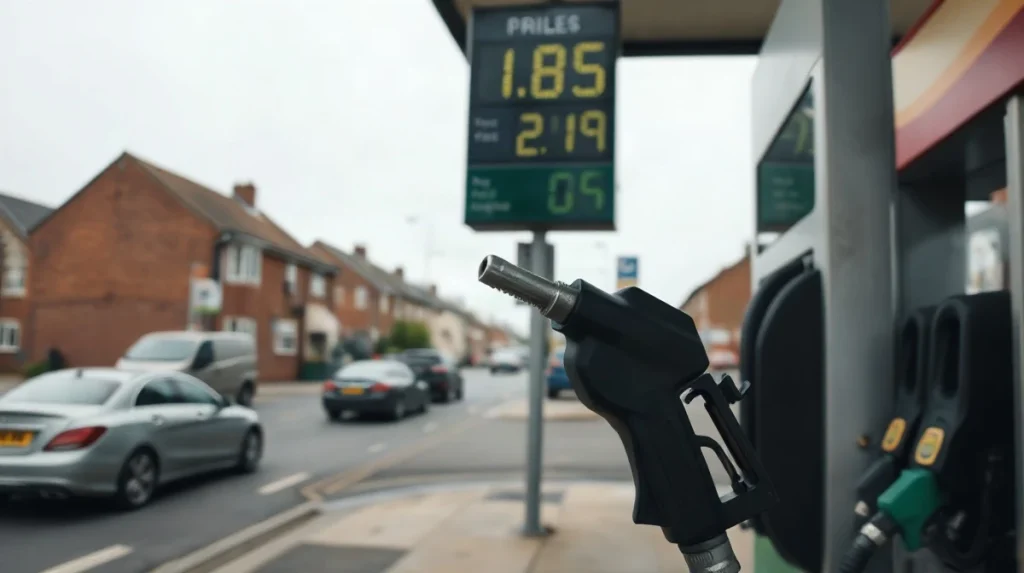
Diesel reached a fresh all-time high of 199.72p a litre, a third straight daily record and up from 199.53p the day before. The RAC said 2,579 forecourts were already charging more than £2 a litre, and that the average diesel price has climbed more than 40% since the Iran war began. Petrol rose 12.77p over September and diesel 16.12p, the third-largest monthly increases since records began in 2000. Filling a 55-litre family car now costs £96 for petrol, £22.94 more than before the conflict.
Elsewhere in the UK, Greggs proposed 740 job cuts, a move that lifted its shares. Zoopla reported that agreed house sales fell 9% year on year in September even as listings rose 5%, with annual house price growth slowing to 0.8% and the average home priced at £273,000.
Also read: UK diesel hits 198.32p as Bailey warns on rates
US upgrade and global inflation pressure
US growth for April-June was revised to an annualised 2.2%, equivalent to roughly 0.55% quarterly expansion, according to the Bureau of Economic Analysis. Private-sector employment rose by 90,000 jobs in September after 36,000 in August, ADP reported, while PCE inflation came in at 0.3% for the month and core PCE at 0.2% — below expectations.
Inflation accelerated elsewhere. German EU-harmonised inflation rose to 3.3% in September from 2.9%, with energy prices up an estimated 14.9% year on year, and seasonally adjusted unemployment climbed back above 3 million. French CPI was estimated at 3.0% year on year, or 3.4% on an EU-harmonised basis, the fastest in more than two years.
Why it matters
The UK upgrade gives chancellor John Healey slightly more room as he prepares a budget four weeks from now, and it cemented Britain’s position as the fastest-growing G7 economy this year, according to Theguardian’s coverage. But the diesel record feeds directly into household and business costs, and Zoopla’s sales decline shows higher borrowing costs already weighing on housing demand. The Bank of England’s Financial Policy Committee warned that vulnerabilities in sovereign debt markets, stretched asset valuations and risky credit could crystallise simultaneously, and flagged that rapid AI capability advances have increased cyber and operational resilience risks.
What to watch
Attention turns to the Bank of England, which the Financial Policy Committee minutes show is weighing intensifying interconnected risks, and to the budget Healey will deliver in four weeks. Investors will also track whether Washington acts on reported options to restrict diesel exports, and whether the Fed follows through on the rate rise markets are still pricing.

Source: The Guardian
Benjamin Carter covers business, finance, and the stock market for StockPil, focusing on the trends and data that matter to everyday investors.
More from Benjamin →