
Hormuz crude exports near pre-war levels as diesel lags
Crude exports through the Strait of Hormuz returned to pre-war levels in September, but refined products like diesel remain constrained, pushing UK prices to...

· 4 min read
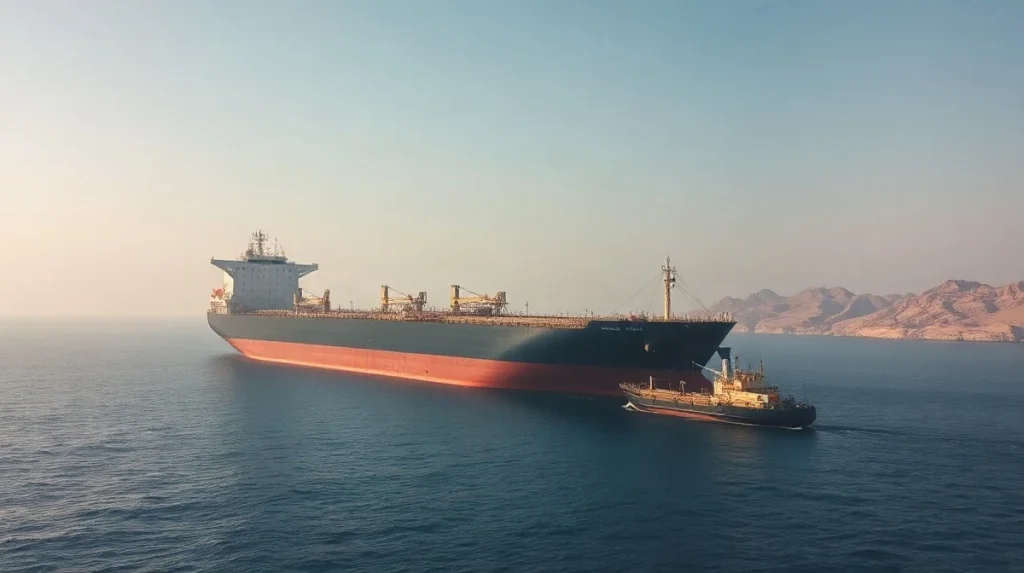
Crude oil exports moving through the Strait of Hormuz have largely recovered to the levels seen before the Iran war, according to Theguardian. At least 16.5 million barrels per day (bpd) left the region in September, matching the pre-war average excluding Iran, as reported by the global trade intelligence firm Kpler.
The figure is 10.5 million bpd higher than the March monthly average, recorded during the first weeks of the conflict that began on February 28 with US and Israeli strikes on Iran.
Also read: Crude Oil Hits One-Month High as Trump Threatens Iran, Dimming Hormuz Reopening Hopes
Key facts
- Kpler data show at least 16.5 million bpd left the region in September, equal to the pre-war average excluding Iran.
- About 40% of regional crude is now transported without transiting the strait, up from 17% before the war, via Saudi and Emirati pipelines.
- The average UK diesel price hit a record 199.18p a litre on Monday, with some forecourts above £2.
- Kpler’s seven-day average of refined products was 677,000 bpd as of Monday, versus 3.6 million barrels before the conflict.
- Three Liberian-flagged tankers were hit by projectiles while transiting the strait on Tuesday.
Workarounds replace the strait
Iran declared the strategic waterway closed at times since the conflict began, but its control appears to have declined in recent weeks as exporters adapted. Saudi Arabia restarted its east-west pipeline in late September after damage from drone attacks, allowing exports to resume from the Red Sea port of Yanbu.
Most crude still passing through Hormuz now moves on a shuttle fleet of very large crude carriers sailing with satellite transponders switched off, with cargo transferred to other tankers in open water, usually off Oman or Fujairah in the United Arab Emirates. More than 70% of crude passing through the strait in August changed tankers, compared with almost none before the war, per Kpler.
Also read: Chipmakers and Bitcoin Lift Stocks as Crude Sinks 4%
Refined products remain constrained
The recovery is lopsided. Kpler analysts said diesel carries the sharpest risk, with less than 20% of pre-war refined-product volumes shipped through Hormuz being transported. That pressures businesses and households relying on diesel for cars, vans and lorries.
The elevated threat level was underlined on Tuesday, when three Liberian-flagged tankers were struck by projectiles in the strait. Richard Meade, editor in chief of shipping publication Lloyd’s List, said via Theguardian that new routes, rerouting, and risk pricing have absorbed the shock, adding that “the underlying threat remains” and that assuming resilience equals security is dangerous.
Brent crude briefly rose above $100 a barrel on Thursday, up 3% to $101, after reports that China suspended oil-product exports beyond Hong Kong and Macau, a move analysts said could suggest concern about domestic availability.
Prices and market pressure
Crude prices remain elevated and moved higher again on Thursday, with traders balancing the recovery in some Middle East exports against uncertainty over a lasting solution to the conflict and the reopening of the strait.
Nasdaq’s Barchart article noted that larger Saudi exports are bearish for prices, with Saudi crude exports at 5.28 million bpd in September, the highest in seven months. It added that the downside appears limited near-term as hopes faded for an imminent breakthrough to end the war and reopen the strait, with Iran-backed Houthi militants in Yemen continuing attacks on Saudi energy facilities.
For investors, the picture remains volatile and uncertain. Nothing here constitutes financial advice, and oil markets can move sharply in either direction.
Why it matters
The partial recovery shows Gulf exporters have absorbed higher operational complexity and costs, but the constraint on refined products keeps upward pressure on fuel prices for consumers and businesses. Iran’s diminished grip on the waterway shifts risk from outright closure toward persistent operational risk, as the tanker strikes this week demonstrate.
What to watch
Markets will monitor the durability of Saudi Arabia’s pipeline and Red Sea export routes, any further Houthi attacks on energy infrastructure, and signals on whether the strait can reopen — a condition Iran’s President Pezeshkian linked to sanctions relief and an end to the US blockade.

Sources: The Guardian, Nasdaq
Benjamin Carter covers business, finance, and the stock market for StockPil, focusing on the trends and data that matter to everyday investors.
More from Benjamin →