
California Pizza Kitchen co-founder recounts chain’s rise, bankruptcy and ‘new glory’ under fresh ownership
California Pizza Kitchen co-founder Rick Rosenfield discusses the chain's rise, bankruptcy, and comeback under new ownership in a new book.

· 4 min read
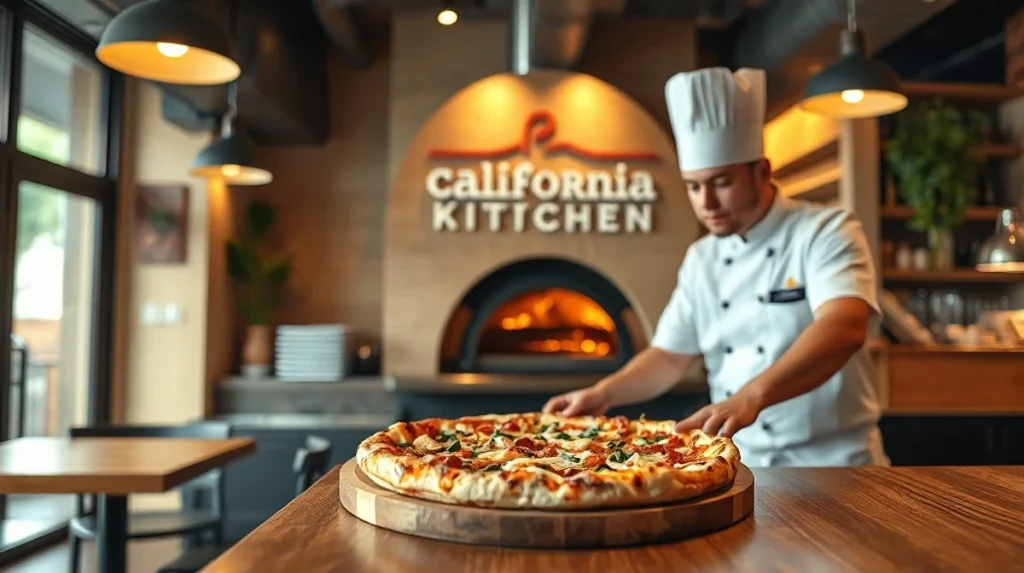
Rick Rosenfield, co-founder of California Pizza Kitchen, has chronicled the chain’s improbable journey from a single Beverly Hills storefront in 1985 to a global brand with more than 120 locations in 10 countries. In his new book, The California Pizza Kitchen Story: How Two Federal Prosecutors Changed the Way America Eats Pizza, released July 21, Rosenfield recounts how he and partner Larry Flax left careers as federal prosecutors to build a pizza empire — and how he watched that empire nearly collapse under previous ownership before a fresh start under new investors.
Rosenfield told Fox News Digital that the early days were “hectic,” with actress Shirley MacLaine becoming the first customer on opening day. The restaurant’s Original BBQ Chicken Pizza quickly became a sensation, drawing crowds and helping popularize California-style pizza across the U.S. “Even before we opened, we knew we had a blockbuster on our hand,” he said.
From courtroom to pizza kitchen
Rosenfield and Flax, both former federal prosecutors, opened CPK with ambitions far beyond a single restaurant. “We didn’t want to open just a restaurant. We decided to be bold. We said we want to open a national and international chain of restaurants,” Rosenfield recalled. Their real estate strategy — opening in upscale shopping malls — helped differentiate the brand from fast-food competitors. “We brought this polished, casual dining to the best malls in America,” he said.
The chain grew to more than 200 locations worldwide before being acquired for $470 million by private equity firm Golden Gate Capital in 2011. At the time, Golden Gate described itself as “one of the most active acquirers of leading brands in the restaurant and retail sector.”
Also read: Swig’s dirty soda boom accelerates beyond Utah as investor sees ‘Starbucksification’ of soft drinks
Bankruptcy and the road to recovery
Nine years after the acquisition, CPK filed for Chapter 11 bankruptcy protection on July 30, 2020, as the COVID-19 pandemic compounded existing financial troubles. Rosenfield, who had no role in the company’s operations after the sale, was critical of Golden Gate’s stewardship. “I believe that they damaged the culture from day one. They wanted to remake it in an image different than we had remade it in,” he said. “And it continued to decline on that basis, unfortunately.” Golden Gate Capital declined Fox News Digital’s request for comment.
CPK emerged from bankruptcy in November 2020, and in December 2025, New York-based Consortium Brand Partners acquired the chain for just under $300 million. Rosenfield expressed optimism about the new ownership, saying he is “thrilled” with the direction. “I believe they want to bring the brand, not only to its former glory, but to new glory,” he said. “For the first time in all these years, my partner, Larry Flax, and I are very excited about where it could go.”
What the CPK story means for the restaurant industry
The CPK saga reflects broader trends in the casual dining sector, where private equity ownership has often clashed with founder-led culture. The chain’s ability to survive bankruptcy and attract new investment highlights the enduring value of a recognizable brand, even after operational missteps. For consumers, Rosenfield’s book offers a behind-the-scenes look at how a small restaurant can reshape an industry — and how quickly that success can be undone.
Rosenfield, who still dines at CPK every few weeks, remains proud of the brand’s consistency. “While I said that I believe that they did damage to the culture in the years past, I think the food has been incredibly consistent,” he said. “I’m extremely proud of the brand.”
As CPK moves forward under new ownership, industry watchers will be paying attention to whether the chain can reclaim its place as a leader in casual dining. Rosenfield’s book serves as both a memoir and a cautionary tale about the importance of maintaining a brand’s identity through changes in ownership.
This article is for informational purposes only and does not constitute financial advice. The restaurant industry is volatile and subject to changing consumer preferences and economic conditions.

Source: Fox Business
Benjamin Carter covers business, finance, and the stock market for StockPil, focusing on the trends and data that matter to everyday investors.
More from Benjamin →