
Joby Aviation deepens defense push with $500M Resonant Sciences acquisition
Joby Aviation acquires Resonant Sciences for $500M, creating a dedicated defense unit and adding $100M in revenue as it pushes toward eVTOL certification.

· 3 min read
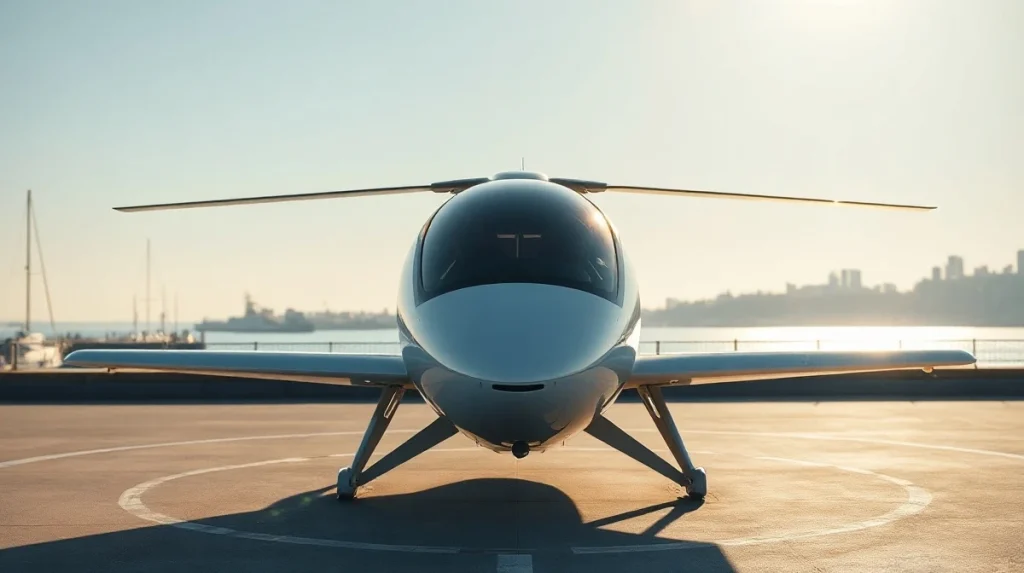
Joby Aviation has agreed to acquire Ohio-based Resonant Sciences for $500 million in cash and stock, according to a regulatory filing posted Tuesday. The deal creates a dedicated defense business for the electric air taxi developer and adds $100 million in trailing twelve-month revenue, giving Joby a profitable arm while it continues the capital-intensive work of certifying its eVTOL aircraft.
A strategic shift toward defense revenue
Resonant Sciences, which makes radio frequency and sensor systems, will become a standalone defense unit under Joby. Its co-founder and CEO, J. Micah North, will lead the new division, which will absorb Joby’s existing defense projects — including a turbine-electric and hydrogen-electric aircraft program and its autonomy technology stack. Joby said the restructuring will allow the rest of the company to focus on certifying, manufacturing, and launching its electric air taxi, the S4.
Also read: Robinson Helicopter lands Army training deal, boosting US manufacturing and defense jobs
The acquisition is Joby’s latest move to build out its defense business, an effort that became more public over the past two years. In 2025, Joby signed an agreement with defense contractor L3Harris Technologies to explore a new class of gas-turbine hybrid vertical take-off and landing (VTOL) aircraft for autonomous defense applications, based on the S4 platform. Joby also demonstrated a hydrogen-electric hybrid version of the S4 under a government contract in 2024, flying 521 miles — more than double the range of its battery-electric prototype.
Resonant’s radio frequency and sensing technology is expected to complement Joby’s own eVTOL development, while its access to classified U.S. government programs could open new opportunities for the combined company.
Also read: Defense tech startup Hadrian raises $1.37B to automate military parts production
Revenue generation through acquisition
Joby has increasingly leaned on acquisitions to generate near-term revenue while its core air taxi business remains years from commercialization. The company went public in 2021 through a merger with a blank-check company, and has faced persistent questions from shareholders about when it will turn a profit.
Last year, Joby acquired Blade Air Mobility’s helicopter rideshare business for approximately $125 million, gaining instant access to a network of 12 terminals in key markets like New York City, including bases at John F. Kennedy International Airport, Newark Liberty Airport, and both sides of Manhattan. The Blade acquisition delivered much-needed revenue: Joby reported $38.6 million in revenue in the second quarter, with $36.2 million coming from Blade.
The Resonant Sciences deal follows the same playbook — acquiring an established, profitable business to fund the long and expensive road to eVTOL certification. Developing, certifying, and mass-producing eVTOLs is a years-long process, and the acquisition provides Joby with a steady revenue stream while it continues that work.
What this means for Joby’s air taxi ambitions
The new defense division is designed to be self-contained, allowing Joby’s core team to remain focused on the S4’s certification and launch. By separating defense work from commercial air taxi development, Joby can pursue government contracts without slowing its civil aviation timeline.
For investors, the deal offers a clearer picture of how Joby plans to sustain itself financially in the near term. With Resonant’s revenue and Blade’s rideshare operations, Joby now has two distinct revenue-generating businesses alongside its long-term eVTOL vision. The company has not disclosed whether the Resonant acquisition will require additional financing, but the cash-and-stock structure suggests a mix of existing resources and equity.
Joby’s defense push also aligns with broader U.S. military interest in electric and hybrid vertical lift aircraft. The Pentagon has funded several eVTOL and hybrid VTOL programs, and Joby’s work with L3Harris and its hydrogen-electric demonstration position it as a credible defense contractor.
This article is for informational purposes only and does not constitute financial advice. The aerospace and defense markets are volatile, and any investment decisions should be made with careful consideration of the risks involved.

Source: TechCrunch
Benjamin Carter covers business, finance, and the stock market for StockPil, focusing on the trends and data that matter to everyday investors.
More from Benjamin →