
Robinson Helicopter lands Army training deal, boosting US manufacturing and defense jobs
Robinson Helicopter's R66 wins Army Flight School Next training deal, supporting hundreds of US manufacturing jobs and boosting the defense industrial base.

· 3 min read
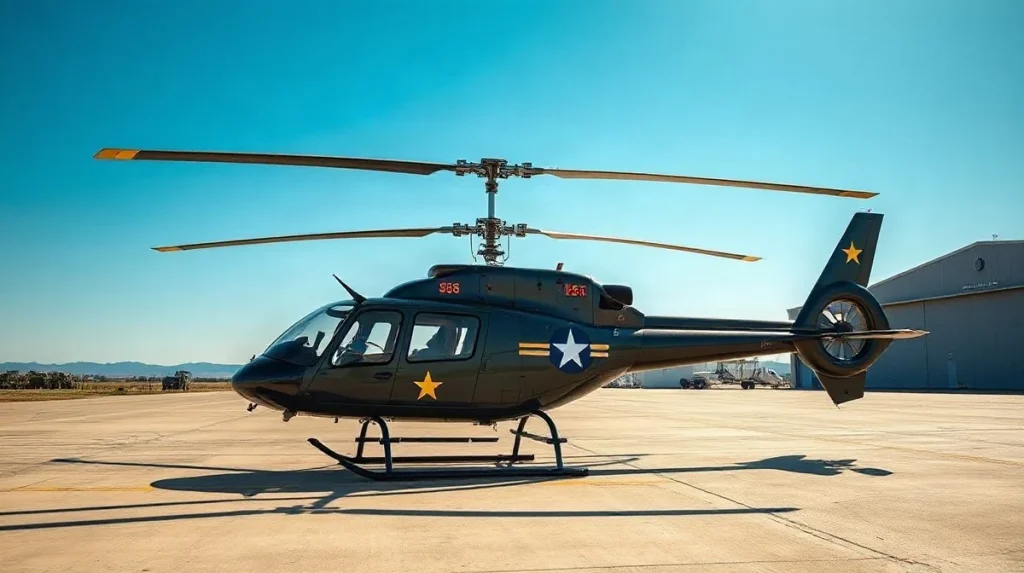
Robinson Helicopter Company, based in Torrance, California, has secured a key role in the U.S. Army’s Flight School Next program, a training initiative that will use the company’s R66 turbine helicopter to prepare the next generation of Army aviators. The contract, awarded as part of a team led by M1 Support Services, is expected to support hundreds of American manufacturing jobs and marks a significant expansion for the company into defense work.
The R66 was selected for the Army’s Initial Entry Rotary-Wing training program at Fort Rucker, Alabama, beating out competitors on price, performance, and resiliency, according to Robinson spokesperson Erica Dumas. The aircraft is 100% U.S.-designed and manufactured, with more than 85% of its parts produced at the company’s vertically integrated Torrance facility.
Also read: Defense tech startup Hadrian raises $1.37B to automate military parts production
An American-made aircraft displacing foreign competitors
Robinson CEO David Smith said the selection demonstrates that an American-made aircraft can compete with foreign-built products in a critical military training role. “This is a really powerful demonstration of American-made displacing what are currently foreign products that occupy this very important role of training Army aviators,” Smith told FOX Business.
The program will create demand for maintenance workers, instructors, and overhaul specialists in Alabama, while also driving additional work at Robinson’s California factory. Smith noted that the contract could lead to “likely hundreds of jobs over time” in Torrance, especially if future exports to allied nations materialize.
Also read: Sachin Bansal’s Navi lands $100M from Prosus in first outside funding round
The R66 has the lowest acquisition price and direct operating cost of any turbine helicopter in its class over the past decade, according to the company. It also provides Army pilots with experience in modern avionics, autopilot systems, and night-vision capabilities — features that Smith says will help the Army allocate funding to other priorities.
Strengthening the defense industrial base
The contract advances Robinson’s expansion into defense and aligns with broader efforts to rebuild America’s defense industrial base. Smith argued that this will require renewed emphasis on skilled trades. “We need to rebuild that first, the appetite and the interest of the workforce to go into these very important skilled areas and make it a fun and cool business to be in again,” he said.
Robinson also plans to reinvest proceeds from the program into research and development, including unmanned aircraft and other defense technologies. “I’m an engineer first,” Smith said. “And so my mindset is, how can we continue to use wins like this to reinvest in the business and grow in the years to come?”
The deal is part of a series of recent defense manufacturing wins, including the Pentagon’s boost of THAAD interceptor production with Northrop Grumman and Lockheed Martin, and Ford’s entry into the competition to develop a new US Army tactical truck. These developments underscore a broader push to strengthen domestic defense supply chains and reduce reliance on foreign-made components.
As the Army modernizes its training infrastructure, the Flight School Next program represents a long-term commitment to American manufacturing. The contract, which could span 26 years, provides a stable revenue stream for Robinson and a clear signal that U.S.-built aircraft can meet the military’s most demanding requirements.
Disclaimer: This article is for informational purposes only and does not constitute financial advice. The defense contracting and manufacturing sectors are subject to market volatility and regulatory changes. Readers should conduct their own research before making any investment decisions.

Source: Fox Business
Benjamin Carter covers business, finance, and the stock market for StockPil, focusing on the trends and data that matter to everyday investors.
More from Benjamin →