
Cerebras beats Q3 estimates, signs Microsoft deal as shares surge
Cerebras beat Q3 expectations, raised 2026 guidance and announced a Microsoft deal; shares jumped in extended trading as its backlog hit $26.1 billion.
· 3 min read
In this article4 sections
Cerebras Systems posted third-quarter results and guidance ahead of Wall Street estimates and disclosed a new partnership with Microsoft, sending its shares sharply higher in extended trading, according to CNBC. Chief executive Andrew Feldman said in an interview with the outlet that the Microsoft agreement was signed in October and that revenue from it should start showing up in the first quarter of 2027.
The two outlets covering the release disagree on the size of the after-hours move: CNBC reported a 17% gain, while Crypto Briefing put the increase at 12%.
Also read: Nvidia shares slip as board opens probe into CEO Jensen Huang
Key facts
- For the fourth quarter, Cerebras guided to $310 million to $330 million in revenue and a core gross margin of 47% to 49%, versus LSEG consensus of $271 million in revenue and a 42.1% margin, per CNBC.
- Cerebras reported third-quarter GAAP revenue of $210.8 million, up 55% year over year, and core revenue of $230.9 million, which included $144.9 million in core cloud revenue, up 272%, according to Crypto Briefing.
- Full-year 2026 core revenue guidance was raised to $940 million to $960 million, and the company said it expects revenue to roughly triple in 2027, CNBC reported.
- Remaining performance obligations stood at $26.1 billion as of September 30, 2026, with data-center capacity under contract at 700 megawatts, per Crypto Briefing.
- Cerebras also disclosed a partnership with Oracle Cloud Infrastructure that takes effect in 2027 and a commercial win with Bilt in November 2026, according to Crypto Briefing.
Demand outrunning supply, and a loss line
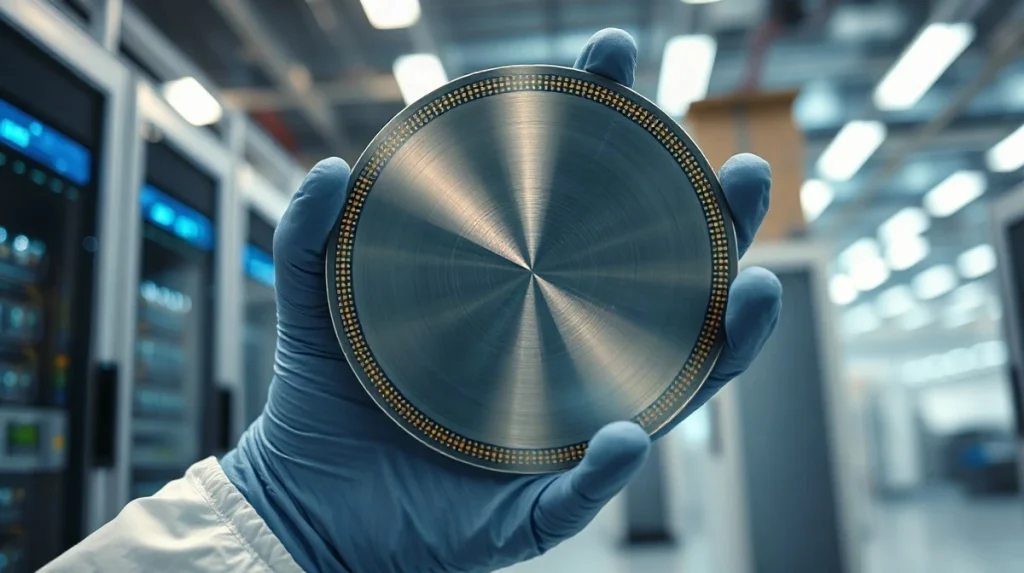
The company still reported a loss of 67 cents per share, Crypto Briefing noted, and Feldman told CNBC that Cerebras is weighing financing options to keep pace with demand. On the hardware side, he pointed to long lead times and rising costs for graphics processing units as an opening for Cerebras, which builds processors at the scale of an entire silicon wafer for AI inference rather than training.
Cerebras frames the quarter in its own company earnings release as record revenue. CNBC reported core revenue growth of 70% from $135.7 million, slower than the 103% pace in the second quarter. Crypto Briefing reported the separate GAAP figure and the cloud revenue breakdown that CNBC did not carry.
Also read: Tesla tops Q3 estimates as Musk weighs SpaceX merger
CNBC reported that the earnings landed the same day Nvidia chief executive Jensen Huang resigned from the company he co-founded after multiple scandals involving extramarital affairs, a development Crypto Briefing did not mention.
Why it matters
Cerebras is trying to take share in AI chips from Nvidia, and a named hyperscaler customer with revenue expected to begin in 2027 gives it a committed pipeline rather than a sales pitch. The Microsoft, Amazon and Oracle relationships give the company a foothold with the buyers that place the largest orders. The catch is that filling a $26.1 billion backlog depends on building out contracted data-center capacity, which is where execution risk sits. Investors have been skeptical: CNBC reported the stock has fallen about 47% since its Nasdaq debut in May, despite the raised outlook.
What to watch
The next checkpoints are whether Cerebras delivers on the fourth-quarter range and the raised full-year guidance, and whether the Microsoft and Oracle agreements begin converting into reported revenue once the first quarter of 2027 arrives. Financing decisions to fund capacity build-out are also likely to draw scrutiny.
This is not financial advice, and markets for high-growth technology stocks are volatile and uncertain.

Sources: CNBC, Crypto Briefing
The StockPil Editorial desk covers stock markets, business, finance, forex and crypto. Our AI-assisted newsroom builds each article from published, linked sources, checks it for accuracy before it goes live, and our editors review published articles and correct anything that needs it.
More from StockPil →