
Xcel Energy’s $70B Capital Plan: A Closer Look at the Growth Strategy
Xcel Energy (XEL) is betting big on infrastructure. The Minneapolis-based utility plans to invest more than $70 billion from 2026 through 2030, a program that includes $60 billion in base capital spending and over

· 3 min read
In this article4 sections
Xcel Energy (XEL) is betting big on infrastructure. The Minneapolis-based utility plans to invest more than $70 billion from 2026 through 2030, a program that includes $60 billion in base capital spending and over $10 billion in incremental opportunities. The goal: modernize its grid, expand clean energy generation, and support an 11% compound annual growth rate in its rate base through 2030.
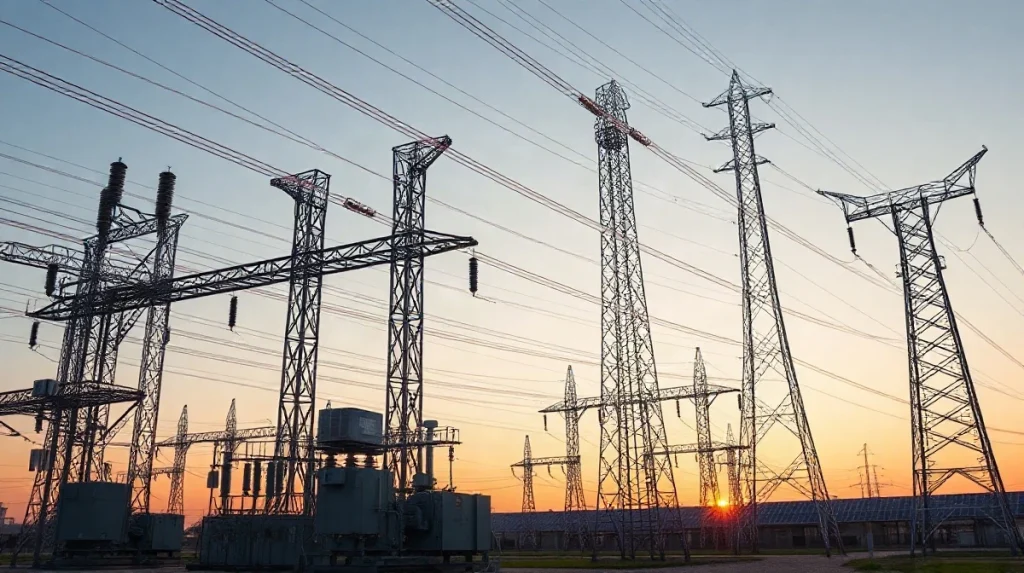
The scale of the plan is notable even for a sector that has increasingly leaned on capital spending to drive growth. Xcel’s program includes 11,400 megawatts (MW) of renewable generation, 3,400 MW of natural gas generation, 2,200 MW of storage, 1,700 miles of transmission lines, and $5 billion dedicated to wildfire mitigation.
Also read: Vitesse Energy’s Hedged, Disciplined Play for Dividend Growth
What’s Driving the Spending
Rising electricity and natural gas demand is creating the need — and the opportunity — for this level of investment. Xcel expects weather-adjusted retail electric sales to increase about 3% in 2026, with retail firm natural gas sales up about 1%. Much of that growth is tied to data centers, which are increasingly locating in Xcel’s service territories across Minnesota, Colorado, Wisconsin, and Texas.
The company reports 2 gigawatts (GW) of data center load already contracted or under construction, with another 4 GW targeted by the end of 2027. Each gigawatt of data center demand could require $6–$8 billion in new infrastructure, according to company estimates, providing a substantial runway for further rate base expansion.
Also read: Nasdaq’s Market Modernization Push: Cloud Migration, AI Order Types, and Regulatory Strategy
Xcel is also advancing six active rate cases, which help the company recover investment costs as projects enter service. Regulatory recovery is the linchpin of the utility model — without timely approvals, capital spending doesn’t translate into earnings.
Industry-Wide Trend
Xcel is not alone in this approach. Duke Energy (DUK) has outlined $103 billion in regulated investments over five years, focusing on grid upgrades and generation expansion. Entergy (ETR) plans $67 billion through 2030, targeting generation, transmission, and distribution projects to support customer growth.
These companies are responding to the same macro trends: aging infrastructure, electrification, and surging power demand from AI data centers and manufacturing reshoring. The Federal Energy Regulatory Commission and state regulators have generally been receptive to these plans, though approval timelines vary.
Earnings Outlook and Valuation
Xcel’s management targets 6–8% annual earnings growth through 2030, supported by the capital plan and rate base expansion. The Zacks Consensus Estimate for 2026 EPS implies an 8.42% year-over-year increase, with 2027 projected at 9.47% growth.
That growth comes at a cost. XEL currently trades at a forward 12-month price-to-earnings ratio of 17.66X, compared with the industry average of 15.23X. The premium reflects investor confidence in the growth story, but it also leaves less room for disappointment.
In the past month, XEL shares have declined 3.8%, slightly better than the industry’s 6% drop, suggesting some relative resilience amid broader utility sector weakness.
What to Watch
Investors should monitor several factors in the coming quarters: the pace of rate case approvals, the trajectory of data center load growth, and Xcel’s ability to execute on its construction timeline. Cost overruns or regulatory pushback on wildfire mitigation spending could pressure returns.
Xcel’s plan is ambitious, but it’s grounded in measurable demand signals. The company’s ability to convert $70 billion in spending into sustained earnings growth will ultimately depend on execution — and on regulators’ willingness to keep pace with the utility’s expansion.
Disclaimer: This article is for informational purposes only and does not constitute financial advice. The stock market is volatile, and past performance or projected growth figures are not guarantees of future results. Investors should conduct their own research or consult a financial advisor before making investment decisions.

Source: Nasdaq
Benjamin Carter covers business, finance, and the stock market for StockPil, focusing on the trends and data that matter to everyday investors.
More from Benjamin →