
EU Caps Chinese Hybrid EV Imports at 350,000 a Year
The European Commission has confirmed an annual cap of 350,000 plug-in hybrid electric vehicles (PHEVs) imported from China, imposed under World Trade Organization safeguard measures that allowed Brussels to act without a full anti-dumping

· 3 min read
In this article4 sections
The European Commission has confirmed an annual cap of 350,000 plug-in hybrid electric vehicles (PHEVs) imported from China, imposed under World Trade Organization safeguard measures that allowed Brussels to act without a full anti-dumping investigation. The quota takes effect in December, according to Theguardian.
Imports of battery and plug-in hybrids have climbed sharply over the past two years, with roughly 800,000 units likely to be sold in Europe this year. The EU expects the new limit to cut China’s market share from 6% to about 3%.
Also read: Scaleup Europe Fund Deploys First Capital: €5.7B Initiative Backs Satellite Firm ICEYE
Key facts
- The quota caps Chinese hybrid EV imports at 350,000 vehicles per year, confirmed by the European Commission.
- About 800,000 battery and plug-in hybrids are likely to be sold in Europe this year.
- The measure is taken under WTO safeguard rules and comes into force in December.
- China’s current market share of 6% is expected to halve to 3% under the cap.
- Beijing agreed to drop some tariffs on auto parts and halve duties on EU footwear, olive oil and ice-cream.
How the cap will work
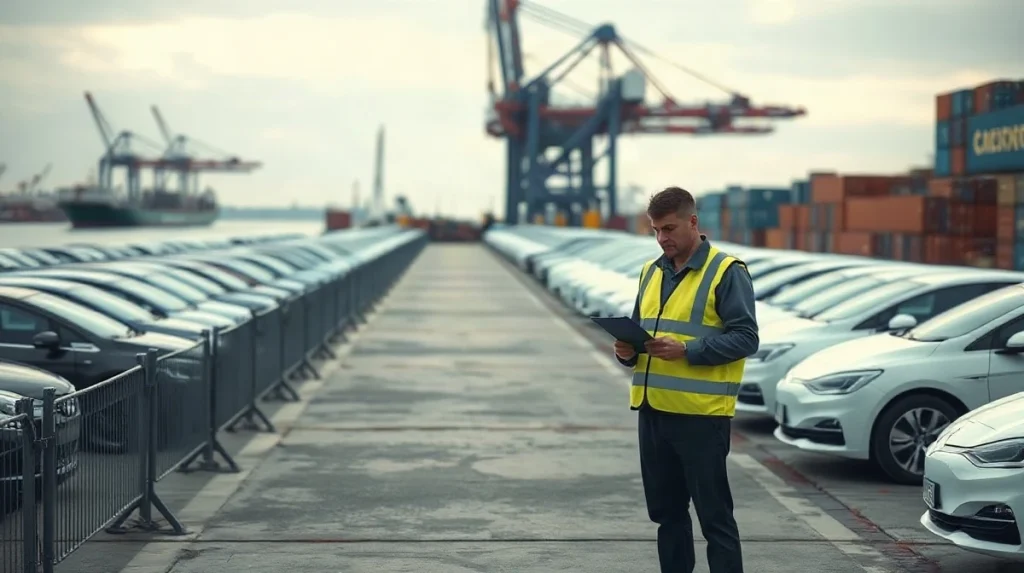
Vehicles that arrive above the quota level will not face tariffs, but they will stay blocked in customs at European docks rather than being released onto the market. The framework was settled in a landmark four-year agreement reached in Beijing last week.
Officials said Chinese vehicles assembled inside the EU — for example, those built in Hungary or, in the future, Spain — will not count against the quota. However, cars made by EU companies operating in China are subject to the limit.
Also read: U.S. Sanctions Chinese-Language Marketplace Xinbi Guarantee Over Crypto Scam Laundering
The EU used WTO safeguard measures because they can be implemented quickly, unlike anti-dumping proceedings that require a longer investigation. Officials stressed that Beijing fully supports the quota, and that talks on cars, chemicals, renewable energy and furniture will continue.
“We will continue the dialogue on some products … this is by no means the end of the story,” one official said, without framing the measure as a final settlement.
Why it matters
The deal marks a change in how Brussels handles its trade relationship with China. Until recently, the EU’s approach to what it calls an “unsustainable” trade imbalance focused on increasing exports to China. Officials now describe a “paradigm shift”, driven by worries about deindustrialisation and job losses in Europe’s manufacturing heartlands, with the focus moving toward curbs on imports.
An EU official said the bloc is tracking incoming goods closely and monitoring where surges occur. The deal lands amid concern over a trade deficit the EU is running with China, which officials have put at £1bn (€1.18bn) a day.
What to watch
EU leaders will meet on Thursday to discuss a French-German proposal for a “kill switch” — a new instrument that would let Brussels block access to the single market for certain goods, such as in the event of a ban on rare earths used by the tech and automotive industries. Further dialogue on cars, chemicals, renewables and furniture is expected to continue alongside the quota.

Source: The Guardian
Benjamin Carter covers business, finance, and the stock market for StockPil, focusing on the trends and data that matter to everyday investors.
More from Benjamin →