
India inflation hits 22-month high of 5.54% in September
India's headline retail inflation reached 5.54% in September, up from 4.82% in August and above the 5.40% economists had expected in a Reuters poll, Cnbc reported. The print marks a 22-month high and the

· 3 min read
In this article5 sections
India’s headline retail inflation reached 5.54% in September, up from 4.82% in August and above the 5.40% economists had expected in a Reuters poll, Cnbc reported. The print marks a 22-month high and the 11th straight month of rising prices in the world’s fastest-growing major economy.
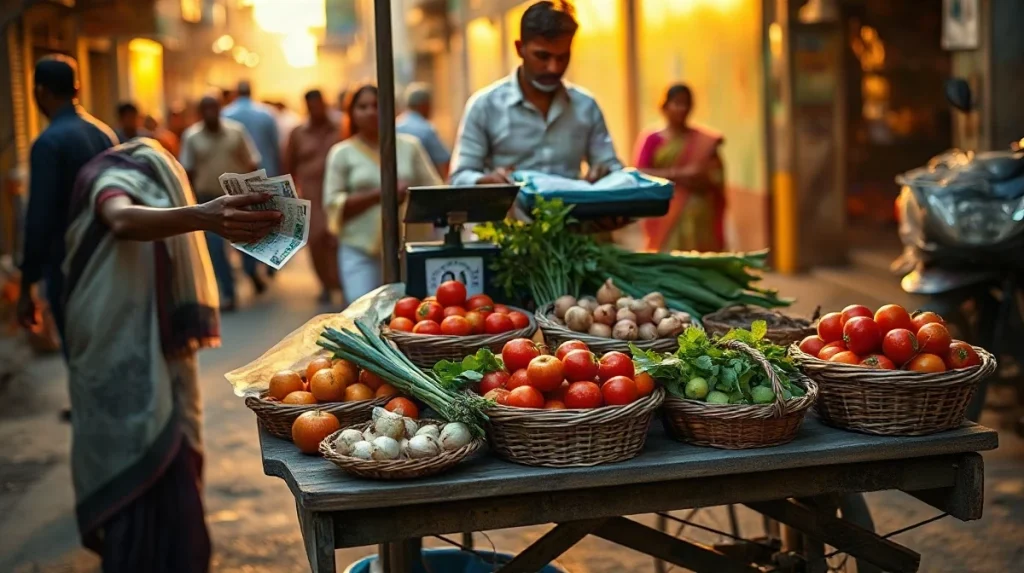
Food inflation climbed to 7.74% from 5.97% a month earlier, and the Ministry of Statistics and Program Implementation said rural food prices rose faster than those in cities. Transport costs also pushed higher: inflation for goods transport services reached 14.73%, while personal transport rose 7.46%.
Also read: Saudi Arabia's 7 Million bpd East-West Pipeline Stays Shut After Drone Damage
Key facts
- September CPI inflation: 5.54%, versus 4.82% in August and a consensus forecast of 5.40%.
- Food inflation: 7.74%, up from 5.97% the previous month.
- Transport inflation: 14.73% for goods services and 7.46% for personal transport.
- The RBI raised interest rates earlier in October, its first hike since 2023, and said further cuts were off the table in current conditions.
- The RBI projects core inflation of 4.4% and headline inflation of 5.2% for the financial year ending March 2027, against its 4% medium-term target.
Central bank caught between energy costs and growth
The Reserve Bank of India acted before the September data landed, lifting rates for the first time in more than three years and joining other major central banks tightening to contain accelerating prices. Its guidance left two options open: another increase or a pause. HSBC analysts wrote on Oct. 7 that they expect a further hike in December, arguing the cycle is a tightening one even if not a deep one, and flagged that the retail inflation release would show a sizable headline jump.
The RBI nudged up its growth estimate for the economy by 40 basis points to 7.1%, but warned that drawn-out geopolitical tensions, trade frictions, tighter financial conditions and high international commodity prices would weigh on activity.
Also read: Iran oil minister Mohsen Paknejad resigns amid 85% inflation
Oil, drought and the rural squeeze
India imports nearly 85% of its fuel, and before the Iran war it leaned heavily on energy shipped through the Strait of Hormuz. Crude prices have stayed elevated through the Middle East conflict, and analysts expect continued volatility near term, with Hurricane Isaias adding to supply concerns.
Food prices face a second pressure point. A Super El Nino contributed to India’s weakest June-to-September rainfall in more than a decade — the fourth lowest since 2001 and the 13th driest since 1901, according to the India Meteorological Department. Drought conditions are severe in parts of Maharashtra, Andhra Pradesh, Punjab and Haryana, farm states that matter for a largely rain-fed agricultural sector.
Why it matters
Inflation at a 22-month high changes the calculus for households, borrowers and businesses in a country where food carries heavy weight in the consumption basket. Rural households, already facing weaker monsoon outcomes, are absorbing the fastest food price increases. For savers and companies planning capital spending, the prospect of a further rate increase raises borrowing costs and narrows the room for the growth the RBI still expects. The shift also ends a period in which markets had anticipated easing rather than tightening from the central bank.
What to watch
The next scheduled RBI policy decision, which HSBC expects to bring another hike, is the pivotal date. Before that, fresh inflation and rainfall data will show whether food prices are cooling and whether the monsoon deficit is deepening.

Source: CNBC
Benjamin Carter covers business, finance, and the stock market for StockPil, focusing on the trends and data that matter to everyday investors.
More from Benjamin →