
Sonic Fire Tech raises $15M to fight fires with sound, not water or chemicals
Sonic Fire Tech raises $15M to advance sound-based fire suppression, aiming to extinguish fires in seconds without water or chemical damage.

· 3 min read
In this article3 sections
Sonic Fire Tech, an Ohio-based startup developing a fire suppression system that uses inaudible sound waves instead of water or chemicals, announced Monday that it has raised a $15 million funding round. The round was led by the O.H.I.O. Fund with participation from Khosla Ventures, following a $3.5 million seed round in October.
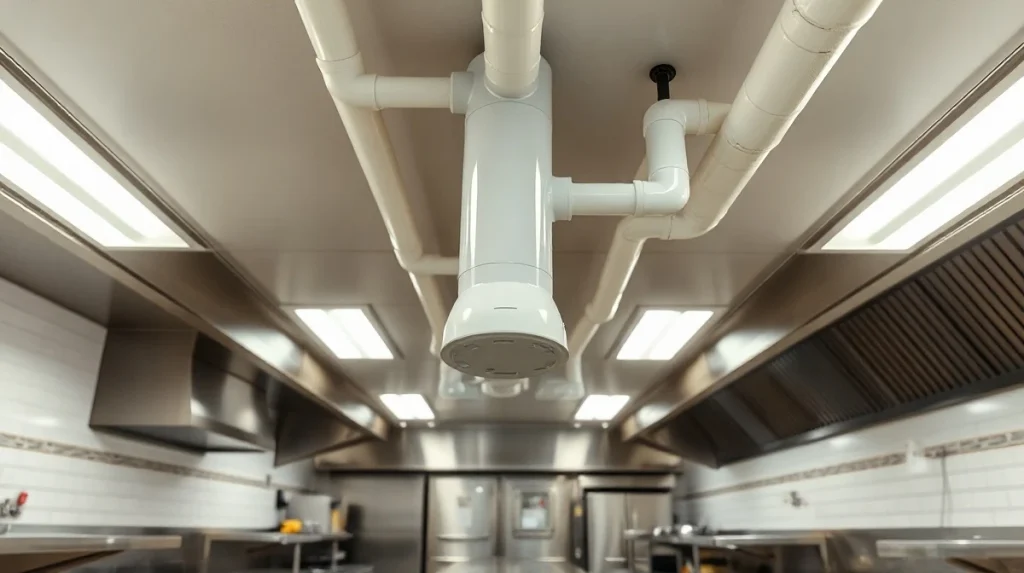
The company’s technology uses a sound generator that pumps infrasonic waves at around 20 Hz through PVC pipes installed in ceilings. When sensors detect a fire, the generator activates and the low-frequency waves bombard the flames, extinguishing them within seconds — without the collateral damage associated with traditional suppression methods.
Also read: Defense tech startup Hadrian raises $1.37B to automate military parts production
Why sound-based fire suppression matters
For over a century, fire protection has relied on water and chemical agents. While effective at preventing catastrophic fires, these methods often leave behind significant cleanup costs and property damage. Commercial kitchens, for example, can face months of restoration following a fire, and roughly 75% of them never reopen, according to Remington Bixby Hotchkis, Sonic Fire Tech’s COO.
“We are the only technology that creates its own suppressant without collateral damage. False alarms are less of a concern for us,” Hotchkis told TechCrunch. “We deploy within seconds.”
Also read: Sergey Brin has now spent $100 million to fight California's billionaire tax
The startup’s system is designed for commercial buildings, kitchens, and homes, both for new construction and retrofits. The company is also working on a system to protect the exterior of homes in wildfire-prone areas, though that development has progressed more slowly as it awaits access to a suitable testing lab.
Insurance industry interest and certification path
The rapid response time and lack of mess have attracted interest from the insurance industry. Sonic Fire Tech is in talks with insurers about whether the system could qualify for premium discounts, which could accelerate adoption. The company is also working toward certification from the National Fire Protection Association (NFPA), which writes model codes adopted by fire departments nationwide. Approval typically takes about three years, but CEO Geoff Bruder believes the process will be “significantly shorter” because the system doesn’t require cleanup after a suppression event, speeding up lab testing.
“Sprinklers that they’re putting in now can’t handle those fires,” Bruder said, referring to kitchen fires, which account for 50% of home fires. A small system focused on the kitchen could significantly reduce the risk of catastrophic house fires.
Potential for lithium-ion battery fires
Sonic Fire Tech’s technology also shows promise for lithium-ion battery fires, which are notoriously difficult to extinguish. In initial tests, the system doesn’t fully extinguish such fires but contains them. “If we’re able to keep the outer casing from lighting fire, we can potentially stop cell-to-cell spread and limit the size of the fire,” Bruder explained.
The fresh funding will be used to hire more employees and run the battery of tests needed for NFPA approval. As the company advances, its success could reshape fire protection standards, offering a cleaner, faster alternative to traditional systems.
This article is for informational purposes only and does not constitute financial advice. The startup funding and technology developments discussed involve inherent risks and uncertainties, and the market for new fire suppression technologies is volatile.

Source: TechCrunch
Benjamin Carter covers business, finance, and the stock market for StockPil, focusing on the trends and data that matter to everyday investors.
More from Benjamin →