
Walmart finally embraces Apple Pay and Google Pay, ending years of resistance
Walmart will start accepting Apple Pay and Google Pay at stores and Sam's Club from August 24, ending years of resistance to tap-to-pay.

· 4 min read
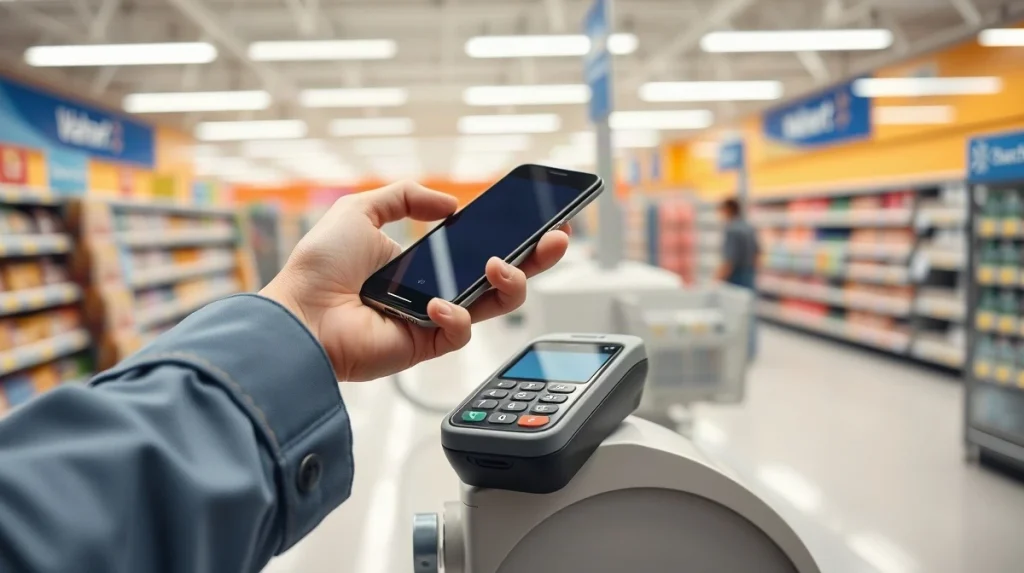
Walmart on Friday confirmed it will finally accept Apple Pay and Google Pay at its stores, a move that reverses a years-long policy of pushing customers toward its own payment tools. The company said it will begin adding Tap to Pay at select Walmart and Sam’s Club locations starting August 24, with a full rollout to all stores and clubs by the end of 2026, followed by its fuel stations by mid-2027.
The announcement marks a significant shift for the retail giant, which had long resisted the ubiquitous contactless payment technology in favor of its in-house solutions, including Walmart Pay and Scan-and-Go. The decision comes after years of customer complaints and growing industry pressure, as Apple Pay is now accepted at 85% of U.S. retailers, including most major chains.
Also read: Google avoids ad-tech breakup as judge orders operational tweaks instead
A long history of resistance
Walmart’s opposition to Apple Pay dates back to the early days of mobile payments. In 2012, Walmart was part of the Merchant Customer Exchange (MCX), a consortium of major retailers that developed CurrentC, a rival mobile payment system designed to bypass traditional card networks and avoid paying transaction fees to companies like Apple and Google. The effort was widely criticized for its poor user experience and privacy concerns, and it was shut down in 2016.
Despite the failure of CurrentC, Walmart continued to promote its own payment solutions. The company introduced Walmart Pay in 2015, which allowed customers to pay using a QR code within the Walmart app. It also developed Scan-and-Go, a feature that lets shoppers scan items with their phones as they shop and pay without waiting in line. These tools were integrated into the Walmart app, which the company saw as a way to drive customer loyalty and gather valuable shopping data.
Also read: Google-Backed Iowa Nuclear Restart Lands $1.9B Federal Loan
However, customers have repeatedly expressed frustration with the lack of support for Apple Pay and Google Pay, particularly as contactless payments became the norm at other retailers. The company’s stance was often cited as an outlier in the industry, and the decision to finally adopt tap-to-pay is seen as a concession to consumer demand.
What the change means for shoppers
For Walmart customers, the addition of Apple Pay and Google Pay will bring a more effortless checkout experience, especially for those who prefer to use their phones or smartwatches to pay. The rollout will begin at select locations, but the company expects to have the technology available at all of its stores and Sam’s Club locations by the end of the year, with fuel stations following by mid-2027.
Walmart is framing the move as part of a broader effort to offer more choice at checkout. “Tap to Pay is a great addition to the other payment options already offered like cash, credit card or Walmart Pay,” the company said in its announcement. “And giving customers and members more choice at checkout is part of a broader effort to make managing and using their money easier.”
The decision also has financial implications. By accepting Apple Pay and Google Pay, Walmart will incur transaction fees from the card networks, which it had previously sought to avoid. However, the company may see increased customer satisfaction and potentially higher sales from shoppers who prefer these payment methods.
Industry analysts note that Walmart’s shift reflects the reality of the modern payments sector. Contactless payments have become the standard in many markets, and retailers that fail to support them risk alienating customers. For Walmart, the move is a pragmatic acknowledgment that its own payment solutions, while popular with some users, could not match the ubiquity and convenience of Apple Pay and Google Pay.
The rollout will be closely watched by both consumers and competitors, as Walmart is one of the largest retailers in the world. Its adoption of tap-to-pay is likely to accelerate the trend toward contactless payments across the industry, and it may also prompt other holdouts to reconsider their positions.
As of now, Walmart has not specified which stores will be the first to receive the new payment option, but it has promised to provide updates as the rollout progresses. For customers who have been waiting for this change, the wait is finally over.

Source: TechCrunch
Benjamin Carter covers business, finance, and the stock market for StockPil, focusing on the trends and data that matter to everyday investors.
More from Benjamin →